
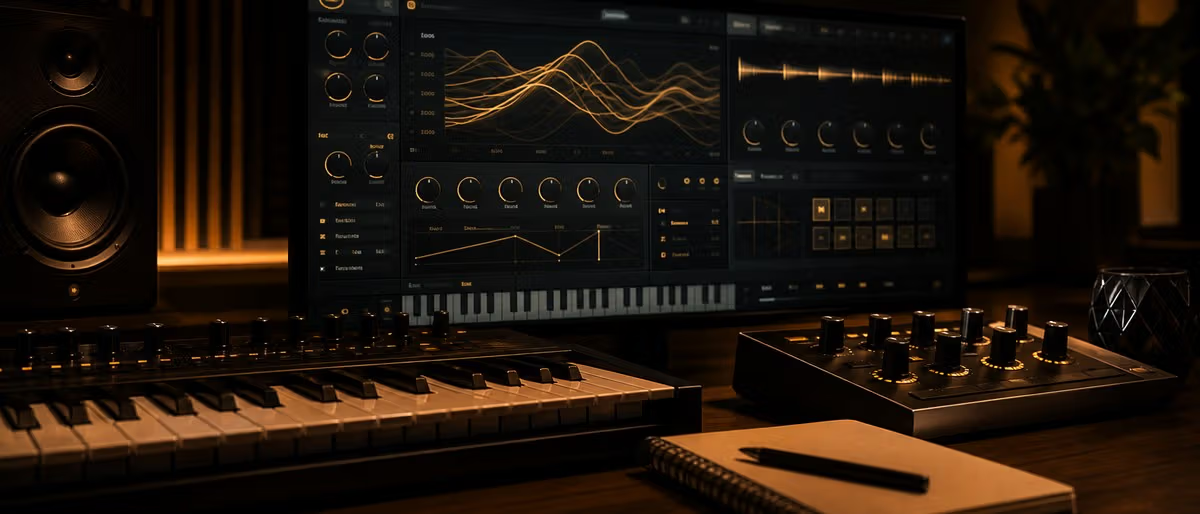
FM सिंथेसिस क्या है?
FM (frequency modulation) एक waveform की frequency को दूसरे से modulate करके जटिल ध्वनियाँ बनाता है। subtractive synthesis जो harmonically rich wave से शुरू करके filter करता है, उसके विपरीत FM साधारण sine wave के बीच गणितीय संबंधों से जटिल timbre बनाता है। यह अवधारणा John Chowning ने 1960 के दशक में Stanford University में विकसित की और Yamaha ने 1980 के दशक में DX7 synthesizer के साथ व्यावसायिक बनाई। FM प्रतिष्ठित ध्वनियों के लिए जिम्मेदार है: DX7 electric piano, metallic bell, growl bass और digital brass।
Operators: FM के निर्माण खंड
FM synthesis में एक operator के दो हिस्से होते हैं: oscillator (ध्वनि उत्पन्न करता है) और envelope (समय के साथ ध्वनि को shape करता है)। Operators carrier (सुनाई देने वाला oscillator) या modulator (दूसरे operators को प्रभावित करने वाला) के रूप में काम कर सकते हैं। सबसे सरल FM patch 2 operators का होता है: एक carrier और एक modulator। modulator का output carrier की frequency बदलता है, sidebands बनाता है — अतिरिक्त harmonics जो FM को विशिष्ट रूप से bright, complex timbre देते हैं।
Algorithms: operators कैसे जुड़ते हैं
Algorithm यह तय करता है कि operators कैसे जुड़े हैं। सरल 2-operator algorithm में modulator सीधे carrier में जाता है। जटिल setup में कई modulators एक carrier को feed कर सकते हैं, या modulators cascade हो सकते हैं। सामान्य algorithm प्रकार: parallel (एक carrier को कई modulators — समृद्ध, layered ध्वनि), serial/cascaded (modulators की श्रृंखला — बदलती, जटिल timbre), और feedback (operator खुद को modulate करे — noisy, distorted texture)।
FM में envelopes: ADSR से आगे
FM synthesizers पारंपरिक रूप से साधारण ADSR की जगह multi-stage envelopes उपयोग करते हैं। एक सामान्य FM envelope में 4–8 stages होते हैं, हर stage के लिए स्वतंत्र rate और level controls। इससे जटिल, बदलती ध्वनियाँ बनती हैं जो standard ADSR से नहीं मिलतीं। मुख्य envelope तकनीकें: percussive ध्वनि के लिए modulator पर fast attack और exponential decay; carrier और modulator पर लंबे curved decay से bell-like timbre; slow attack और कई sustain stages से evolving pad।
Frequency ratios: FM timbre की कुंजी
modulator और carrier के बीच frequency ratio harmonic content तय करता है। Integer ratios (1:1, 2:1, 3:1, 4:1) harmonic, musical ध्वनि बनाते हैं — bass, keys और lead के लिए उपयुक्त। Non-integer ratios (1:1.5, 2:3, 1:2.7) inharmonic, bell-like या metallic ध्वनि। निचले ratios (1:1 से 3:1) गर्म, नरम timbre। उच्च ratios (5:1 से 20:1) अधिक bright, aggressive timbre और अधिक high-frequency content।
क्लासिक FM ध्वनियाँ और उन्हें कैसे बनाएँ
Electric piano: 2 operators, carrier fundamental पर, modulator 1:1 ratio पर soft envelope के साथ। DX7 ध्वनि के लिए tremolo और chorus जोड़ें। Bell: 2 operators, modulator 3:1 या 5:1 ratio, fast attack, दोनों envelopes पर लंबा exponential decay। Bass: 2–4 operators, carrier 1:1, modulator 2:1 medium attack और sustain के साथ। sub weight के लिए 1:2 पर दूसरा modulator। Brass: 4 operators parallel modulators 1:1 और 2:1, medium attack, breath effect के लिए subtle pitch envelope। Pad: 4–6 operators slow attack, detuned ratios (1:1.01), movement के लिए LFO-modulated modulation depth।
आधुनिक FM synth और मुफ़्त विकल्प
FM8 (Native Instruments) उद्योग-मानक FM synth है — 8 operators, freely routable algorithms, intuitive matrix interface। Serum (Xfer Records) में FM mode है जहाँ oscillators एक-दूसरे को modulate कर सकते हैं — bass design के लिए आदर्श। Vital (मुफ़्त) wavetable engine और modulation matrix से FM क्षमता देता है। Dexed (मुफ़्त, open source) विश्वसनीय DX7 emulator है, मूल DX7 patches load कर सकता है। Operator (Ableton Live) 4-operator FM synth excellent visualization के साथ। शुरुआती के लिए Dexed या Vital सर्वोत्तम मुफ़्त शुरुआत बिंदु हैं।
चरण-दर-चरण गाइड
- अपना FM synth खोलें और सरल 2-operator patch बनाएँ। operator 1 को carrier (सुनाई देने वाला) और operator 2 को modulator सेट करें। harmonic ध्वनि के लिए 1:1 frequency ratio से शुरू करें।
- modulation amount (depth/index) को 0 से 100 तक धीरे-धीरे बढ़ाएँ। सुनें जैसे timbre साफ sine से bright और complex की ओर बदलता है। लक्ष्य ध्वनि के लिए sweet spot खोजें — गर्मी के लिए कम मान, brightness के लिए अधिक।
- अलग frequency ratios आज़माएँ। harmonic ध्वनि के लिए integer ratios (1:1, 2:1, 3:1, 4:1)। metallic, bell-like timbre के लिए non-integer (1:1.5, 2:3)। अधिक bright, aggressive ध्वनि के लिए उच्च ratios।
- दोनों operators पर envelopes जोड़ें। percussive ध्वनि के लिए modulator पर fast attack और exponential decay। pad के लिए धीमे attack और लंबे sustain। याद रखें — modulator का envelope carrier के जितना ही महत्वपूर्ण है।
- तीसरे operator को अतिरिक्त modulator के रूप में लाएँ। समृद्ध ध्वनि के लिए parallel routing (दो modulators एक carrier को feed)। जटिल, बदलती timbre के लिए serial routing (एक modulator दूसरे को feed)।
- एक operator पर feedback जोड़ें। subtle harmonic enhancement के लिए 20–30% से शुरू करें। अधिक aggressive, sawtooth-like timbre के लिए 50–70% तक। उच्च feedback सावधानी से — जल्दी noisy हो जाता है।
- width के लिए chorus या unison, space के लिए reverb, अंतिम timbral shaping के लिए EQ। अत्यधिक digital लगने वाले FM patches में गर्मी के लिए subtle saturation। reference tracks से तुलना करें और समायोजित करें।
- ratio और operator count शामिल वर्णनात्मक नामों से patches सहेजें (उदाहरण: 'FM_Bass_2op_2to1')। ध्वनि प्रकार से presets व्यवस्थित करें। तेज़ workflow के लिए go-to FM ध्वनियों की व्यक्तिगत लाइब्रेरी बनाएँ।
आधुनिक production के लिए curated synth presets, wavetables और sound design tools लें।
मुफ़्त डाउनलोड देखेंअक्सर पूछे जाने वाले प्रश्न
- FM synthesis सीखना कठिन है?
- FM का learning curve subtractive synthesis से तीव्र है क्योंकि parameters और ध्वनि का संबंध कम intuitive है। फिर भी 2-operator patches और साधारण integer ratios से शुरू करना सुलभ बनाता है। कुंजी यह समझना है कि modulator का frequency ratio harmonic series तय करता है, जबकि modulation की मात्रा brightness नियंत्रित करती है।
- FM और PM में क्या अंतर है?
- FM (frequency modulation) और PM (phase modulation) गणितीय रूप से संबंधित हैं पर implementation अलग है। FM में modulator सीधे carrier की frequency बदलता है। PM में modulator carrier का phase बदलता है। Yamaha DX7 वास्तव में true FM की जगह phase modulation उपयोग करता है, हालाँकि शब्द अक्सर परस्पर उपयोग होते हैं। ध्वनि परिणाम बहुत समान हैं।
- FM digital और metallic क्यों लगता है?
- FM digital लगता है क्योंकि sine-wave interactions से सटीक, गणितीय रूप से परिभाषित harmonics बनाता है। metallic गुण non-integer frequency ratios से बने inharmonic sidebands से आता है। जब non-integer ratio वाला modulator carrier को modulate करता है, परिणामी sidebands प्राकृतिक harmonic series से मेल नहीं खाते।
- FM synthesis analog ध्वनि बना सकता है?
- हाँ, पर अलग तकनीकों से। sawtooth और square wave की नकल के लिए integer ratios (1:1, 2:1, 3:1)। analog अस्थिरता के लिए operators के बीच subtle pitch drift और detuning। sawtooth-like saturation के लिए operator feedback। FM गर्म, analog-style bass और pad बना सकता है।
- FM में operator feedback क्या है?
- Feedback operator का output वापस उसी में भेजता है। कम feedback (10–30%) subtle harmonic saturation। मध्यम (30–60%) अधिक aggressive, distorted timbre। उच्च (60–100%) noise-like, chaotic texture। क्लासिक FM electric piano और bass patches में bite के लिए feedback आवश्यक है।
- कितने operators चाहिए?
- 2 operators आश्चर्यजनक विविध ध्वनियाँ बना सकते हैं — bass, bell, electric piano, साधारण lead। 4 operators layered modulators के साथ अधिक जटिल, बदलती ध्वनि। 6 operators (DX7-style) लगभग किसी भी sound design कार्य के लिए पर्याप्त। 8 operators (FM8) अधिकतम लचीलापन। शुरुआती: 2-operator patches से शुरू करें।
- सर्वोत्तम मुफ़्त FM synth कौन से हैं?
- Dexed सर्वोत्तम मुफ़्त DX7 emulator — मूल DX7 patches load करता है और विश्वसनीय ध्वनि। Vital (मुफ़्त संस्करण) शक्तिशाली modulation system से FM। Surge XT में उत्कृष्ट ध्वनि गुणवत्ता वाला FM mode। Helm मुफ़्त semi-modular synth FM features के साथ। FM सीखने के लिए Dexed अनुशंसित।
- FM से sub bass कैसे बनाएँ?
- 1:1 ratio के साथ 2 operators। carrier को निम्न frequency (40–60 Hz) पर सेट करें। साफ sine-wave sub bass के लिए modulation कम (10–20) रखें। subtle upper harmonics के लिए 2:1 पर दूसरा modulator बहुत कम modulation के साथ। fast attack और लंबा release। synth के बाद subtle saturation जोड़ें।